
Ready-made projects
School Projects, Class 10 to 12
Working models and investigatory projects for class 10, 11 and 12 (CBSE, ICSE and state boards): physics, chemistry and biology projects such as the transformer, full wave rectifier, logic gates, EVM, human heart and adulteration tests, with printed reports where listed.
- 99 products
- 5 subjects
- ₹349 to ₹699
- 27 with a printed report
- Buy on Amazon



Browse by subject
Choose a subject for class 10 to 12
Each subject has its own page with its products, the topics that suit each class and a guide to presenting it.
- MathsMaths projects and working models for class 10 to 122 products
- ScienceScience working models for class 103 products
- PhysicsPhysics investigatory projects for class 11 and 1290 products
- ChemistryChemistry investigatory projects for class 11 and 122 products
- BiologyBiology investigatory projects and working models for class 11 and 122 products
The catalogue
All School Projects, Class 10 to 12
Every product has its own page with the details. The Buy button opens the listing on Amazon, where you pay and see the delivery date for your PIN code.
99 products



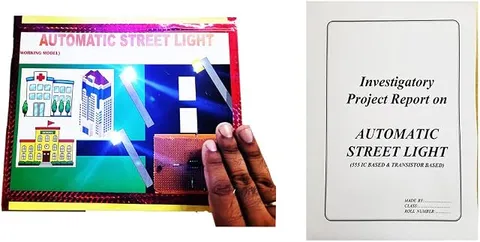
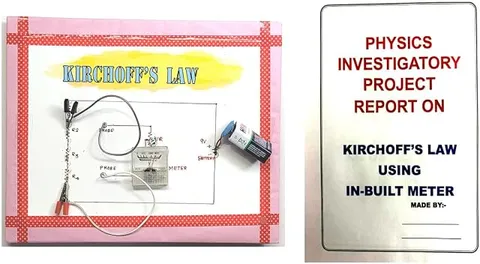
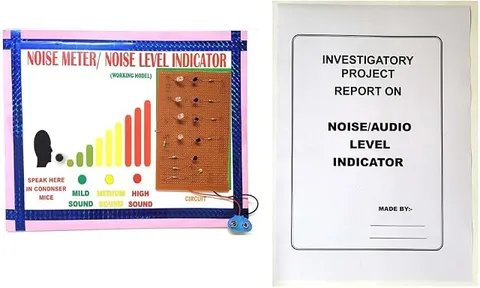
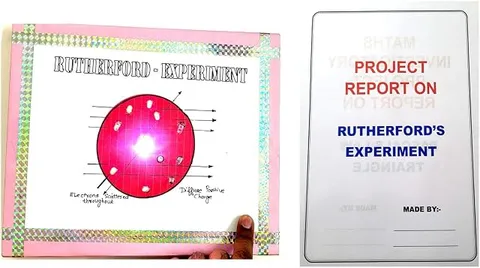
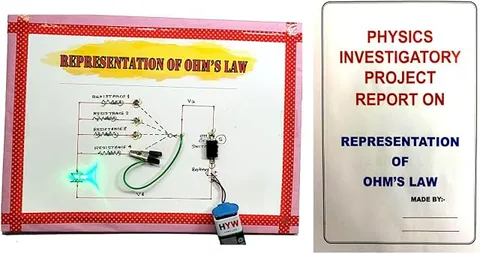
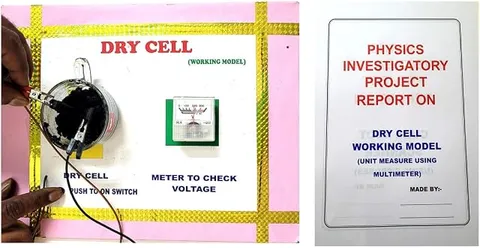
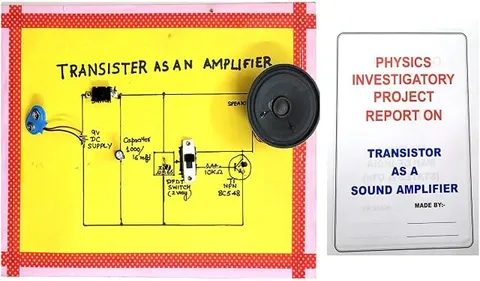
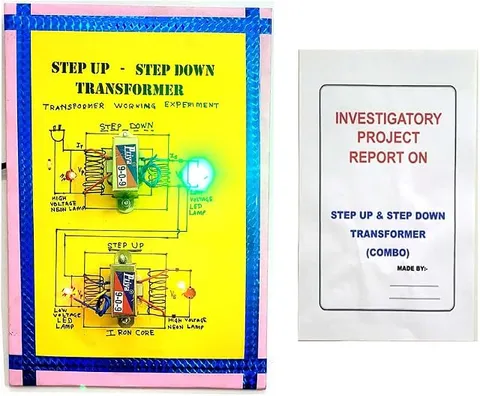
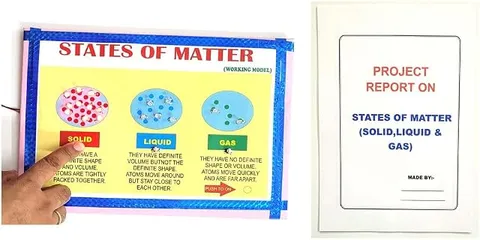
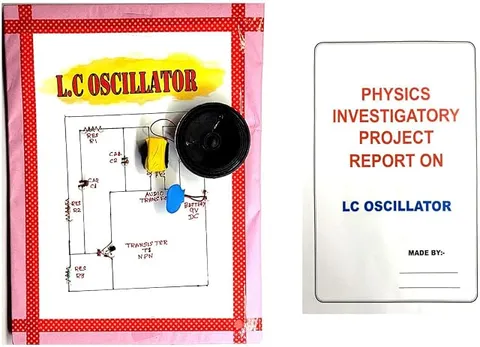
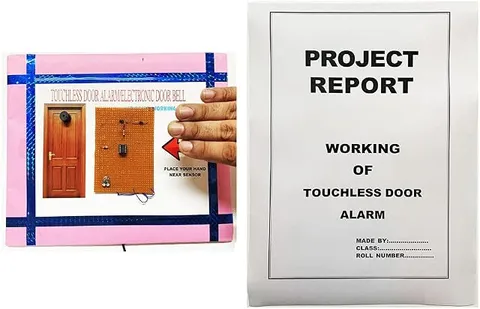
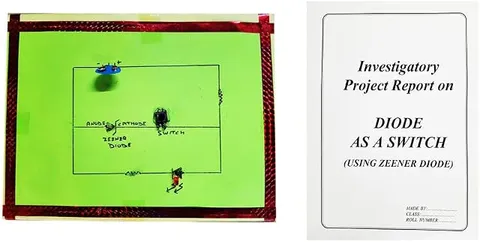
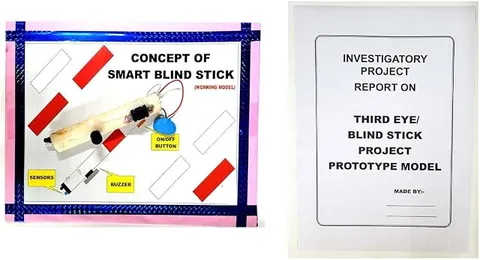
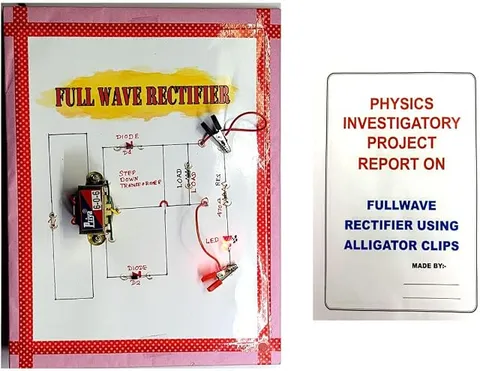
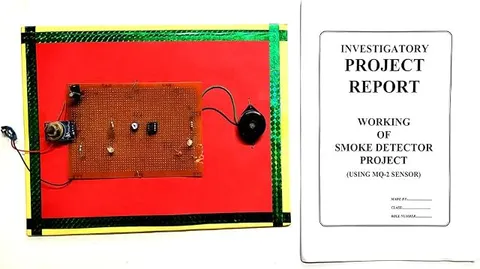
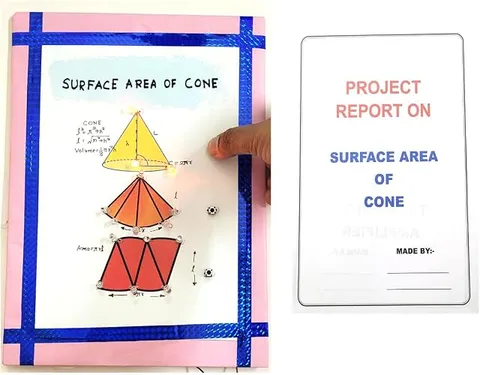
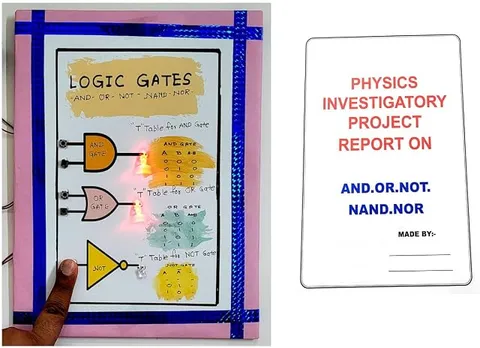
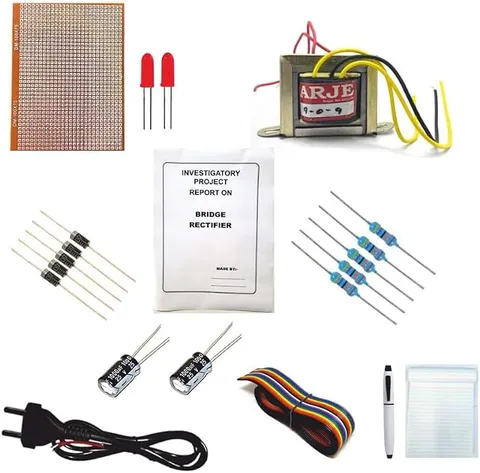
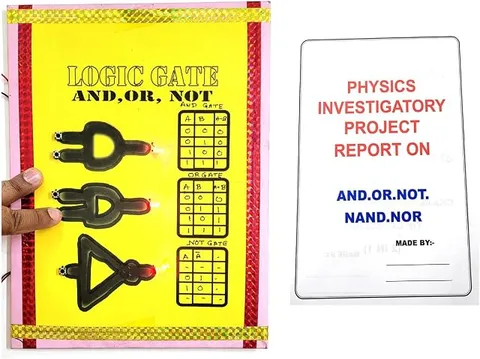
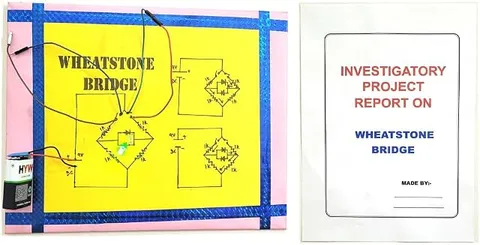
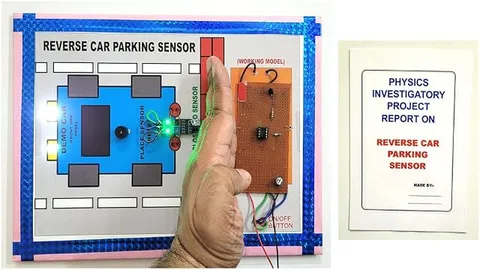
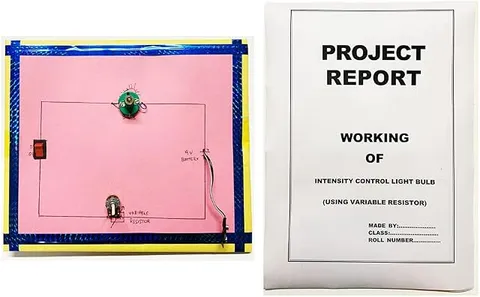
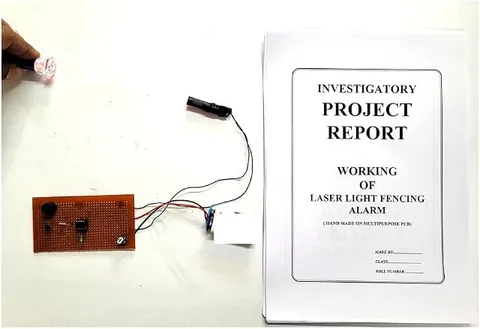
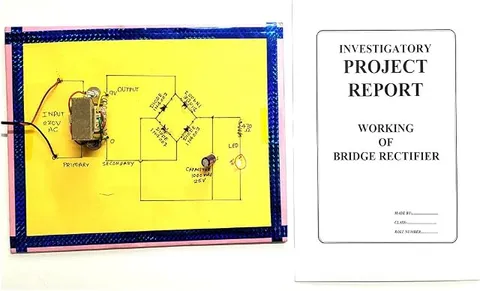
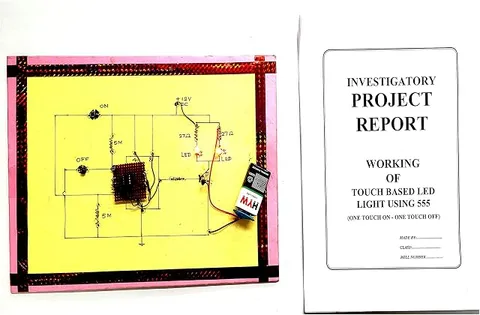
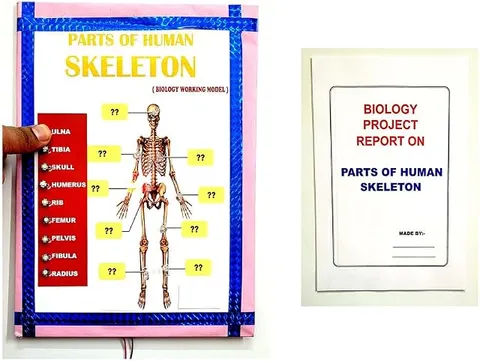
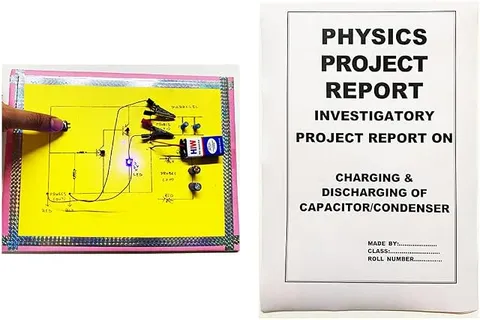
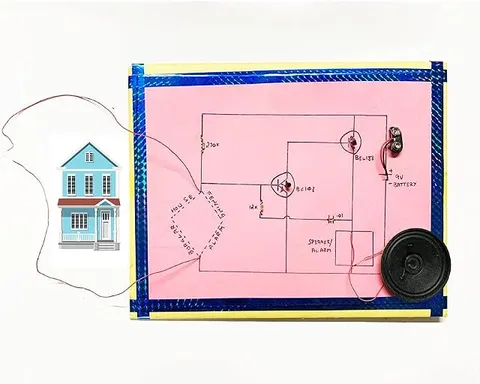
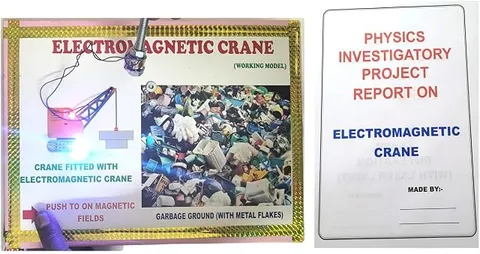
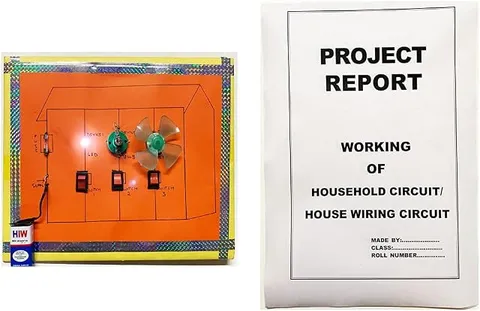
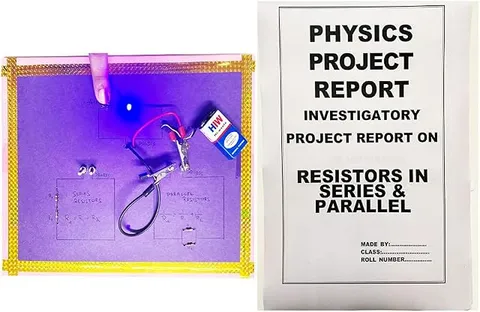
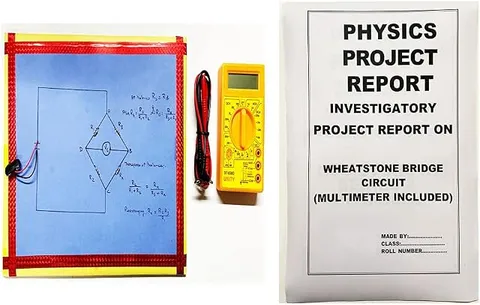
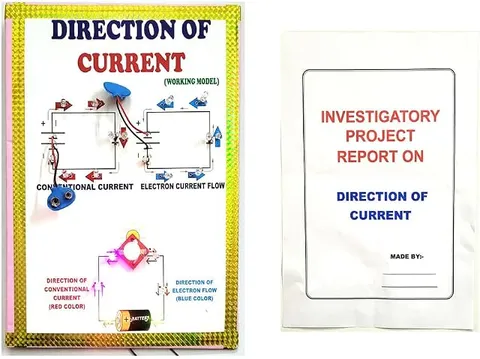
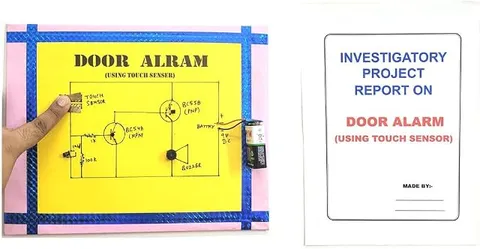
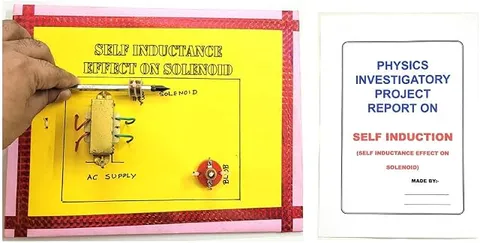
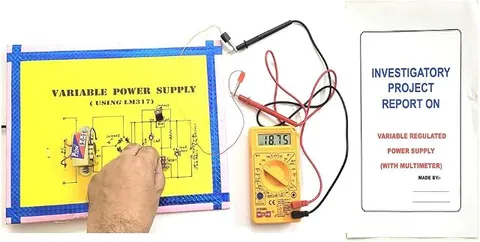
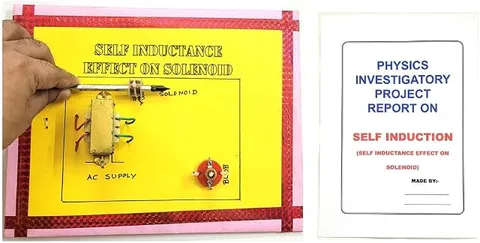
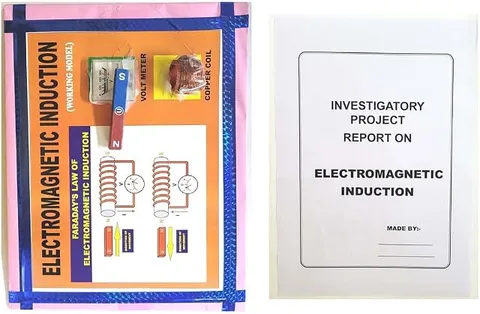
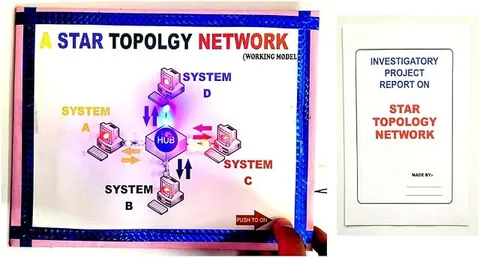
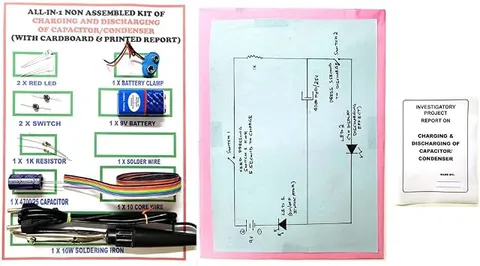
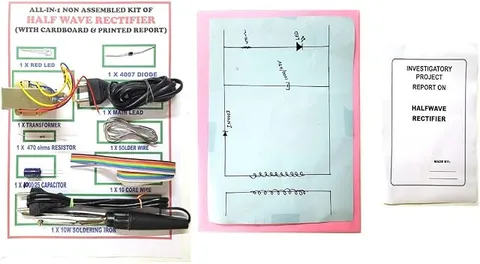
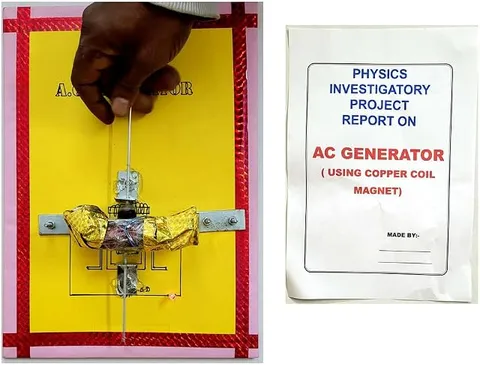
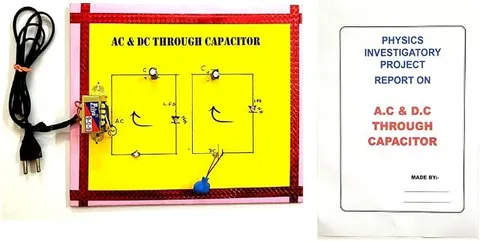
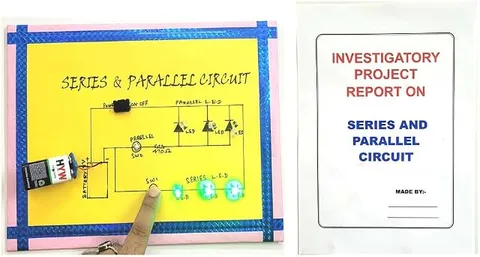
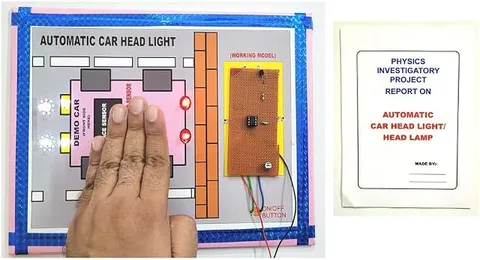
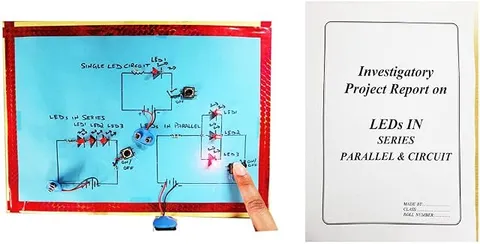
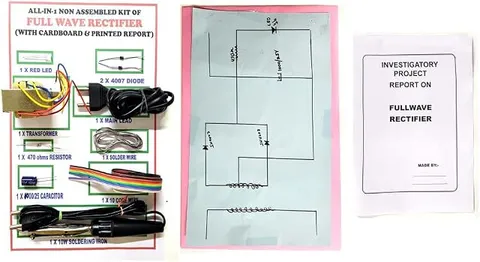
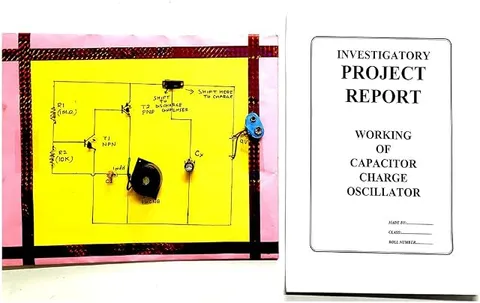
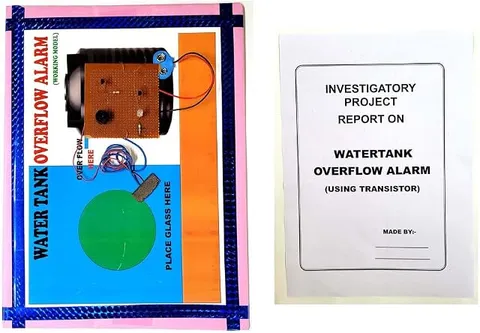
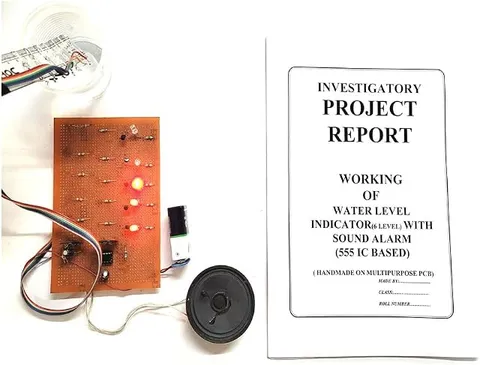
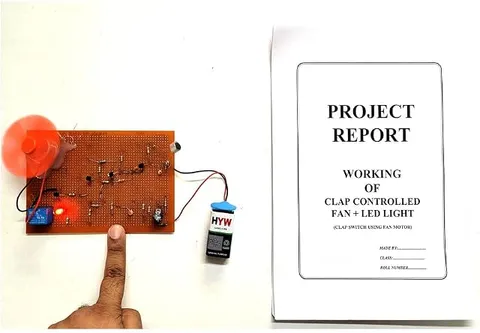
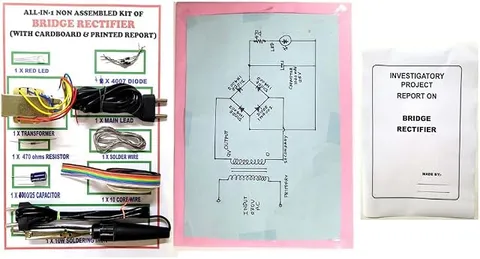
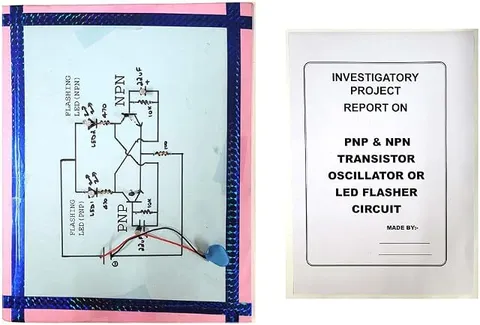
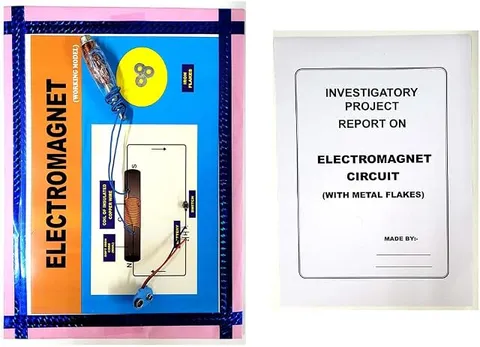
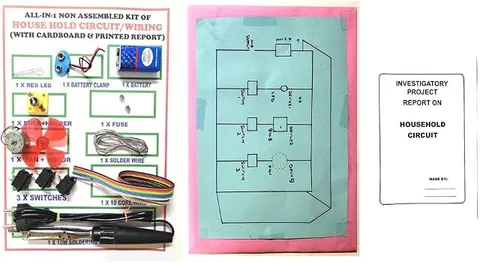
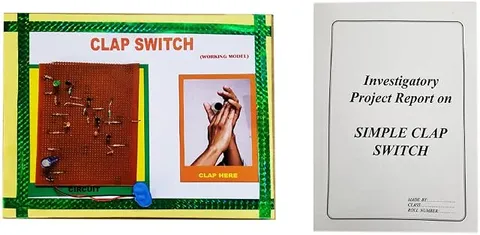
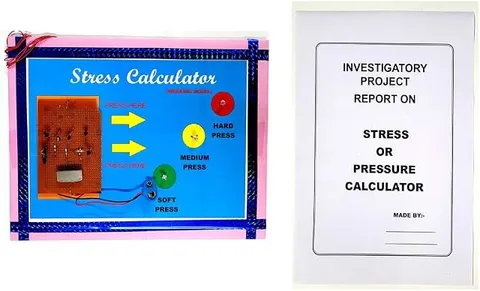
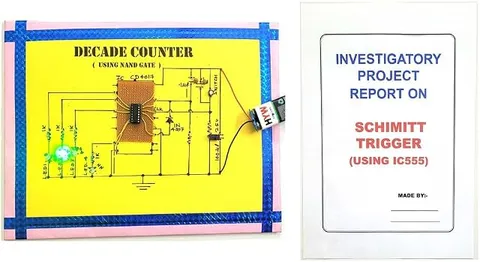
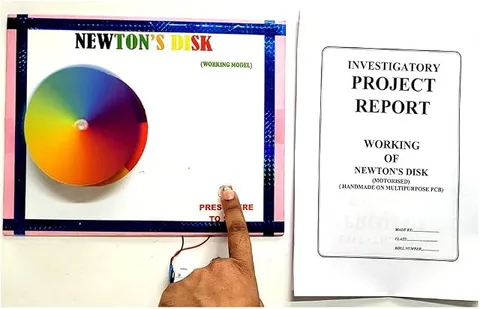
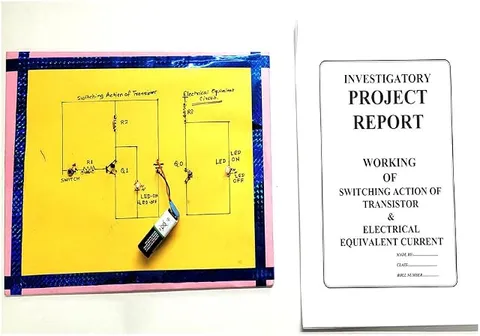
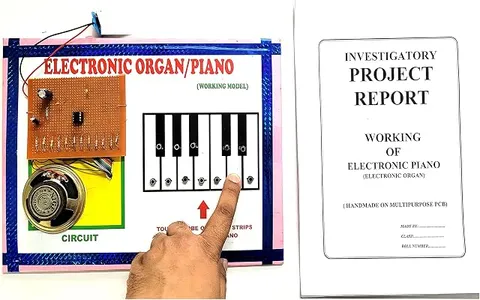
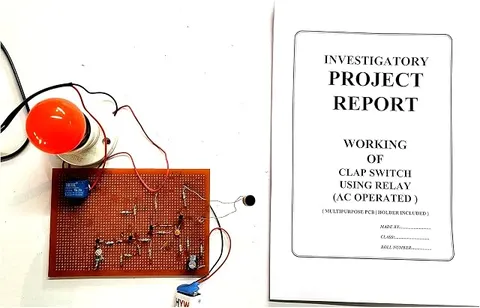
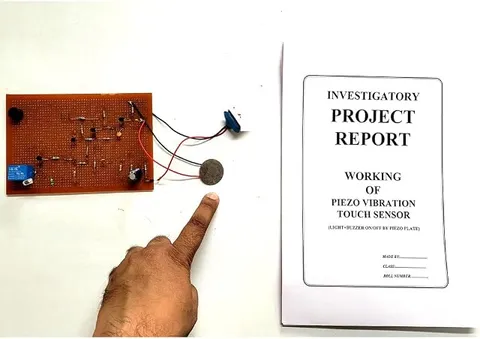
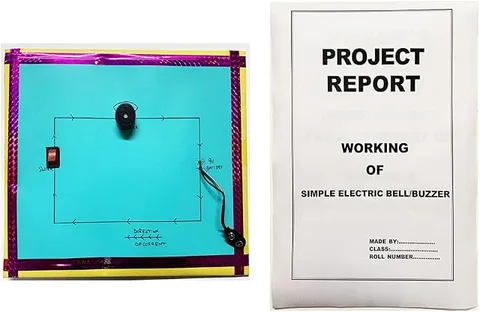
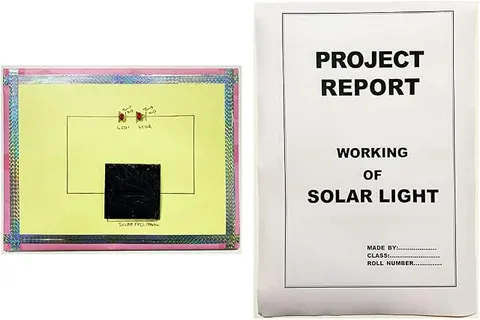
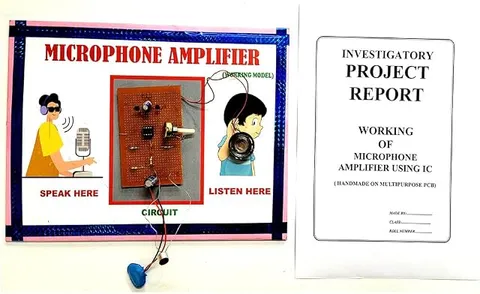
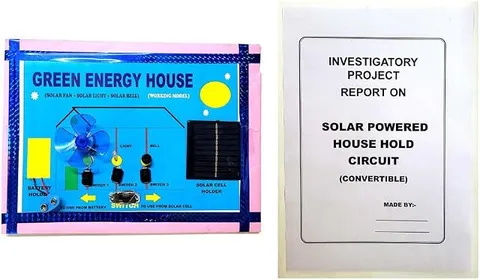
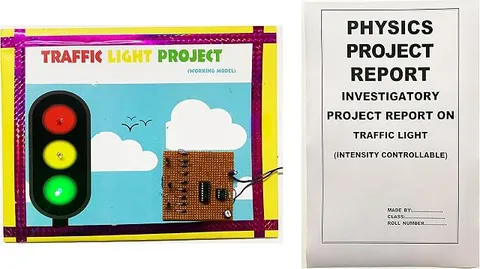
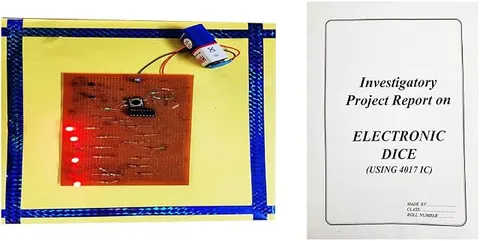
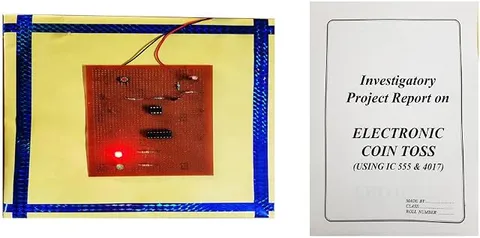
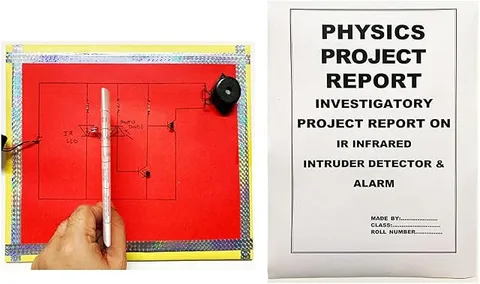
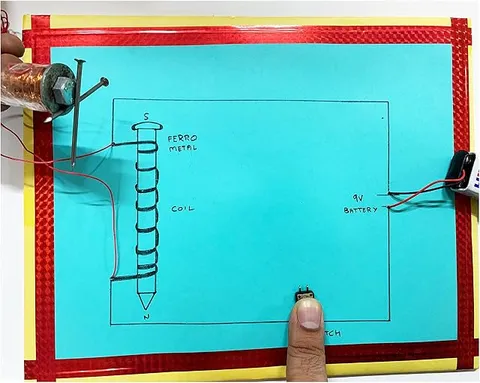
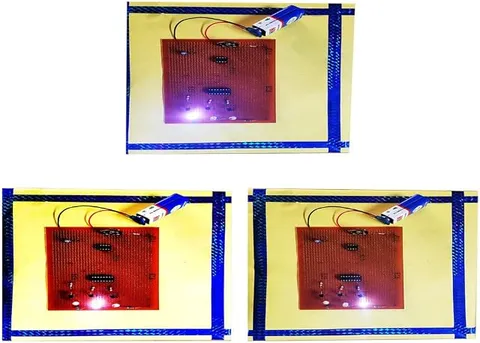
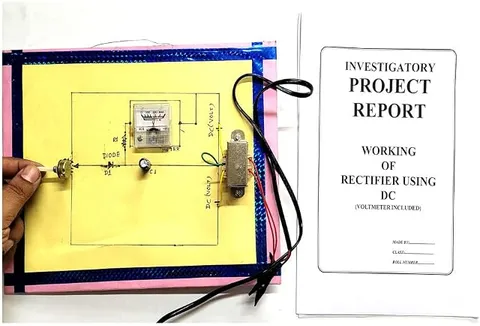
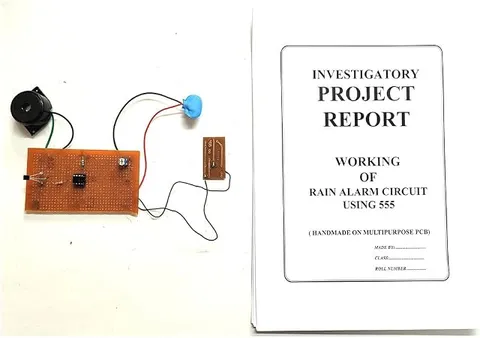
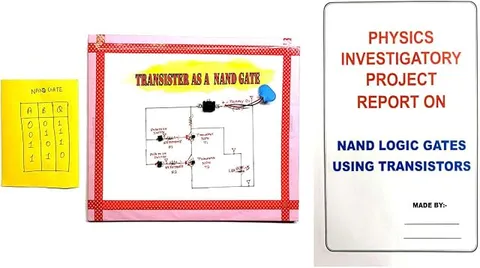
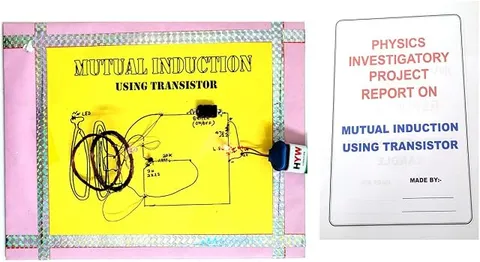
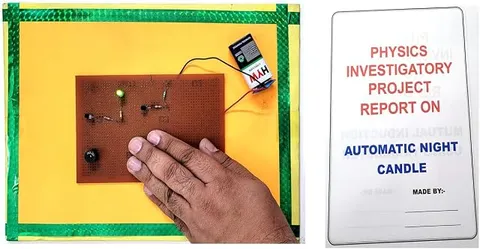
0 of 99 shown
No products match
Try another word or a different filter, or ask us: a topic that is not listed can often be made to order.
About School Projects, Class 10 to 12
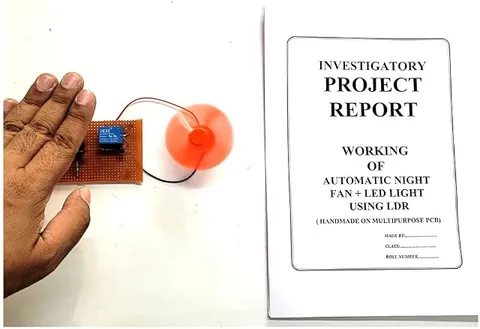
Working models and investigatory projects for class 10, 11 and 12, for school practicals, science exhibitions and the viva. The physics range is the largest: rectifiers, transformers, logic gates, transistor circuits, Ohm's law, LDR and Zener diode projects. Listings marked "with report" include a printed report in the investigatory format: aim, apparatus, theory, procedure, observations, result and precautions.
Read the full overview
Popular projects
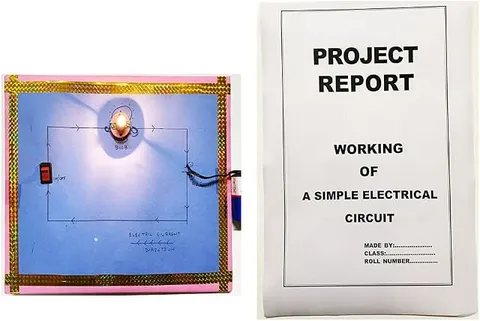
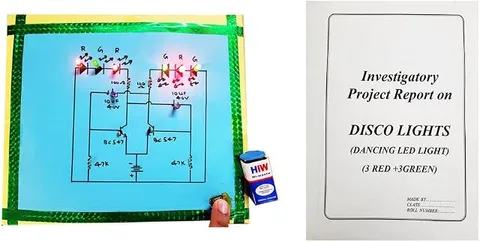
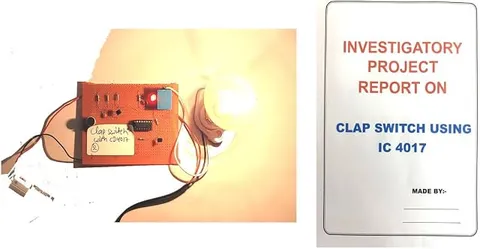
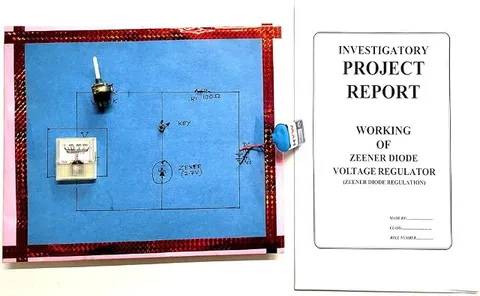
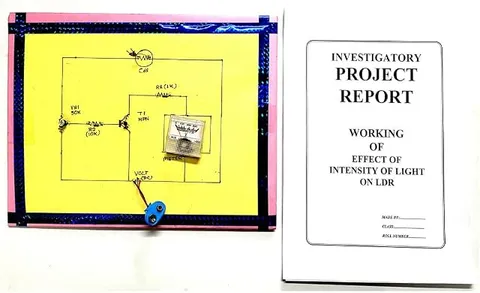
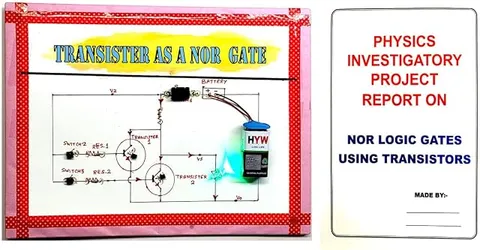
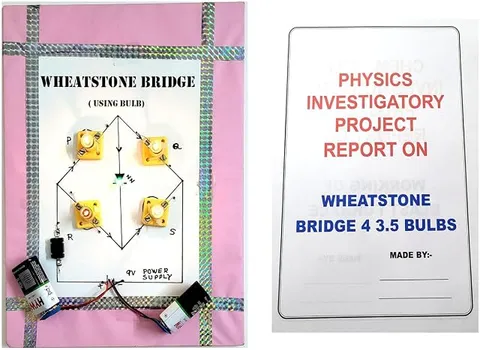
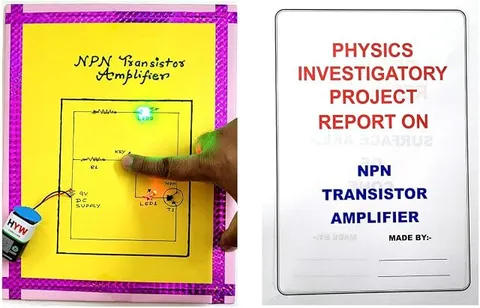
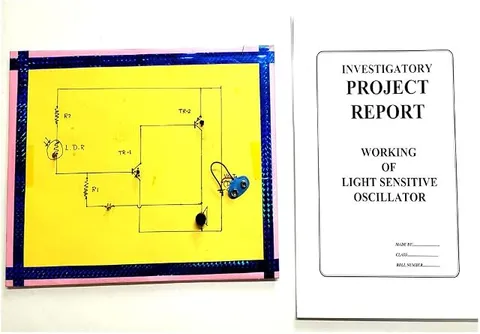
- Physics: half and full wave rectifiers, step-up and step-down transformers, logic gates, transistor circuits, a Zener voltage regulator, LDR light intensity, a clap switch with IC 4017, an EVM, bulbs in series and parallel
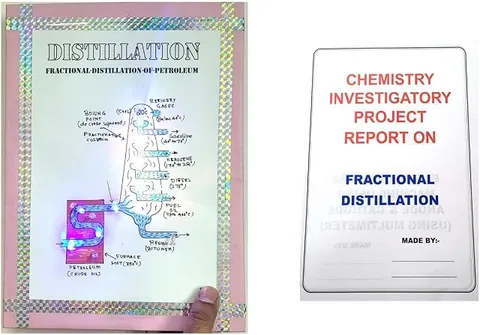
- Chemistry: states of matter, fractional distillation, a dry cell
- Biology: the human skeleton, the circulatory system
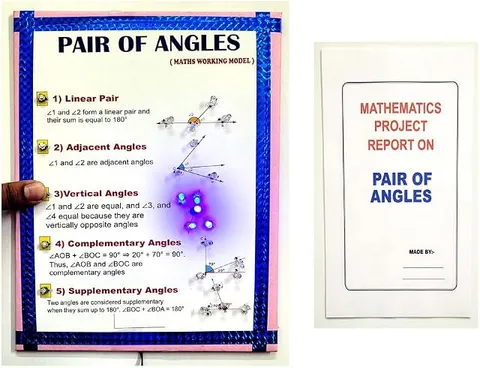
- Maths: pairs of angles, the surface area of a cone
- Science: solar LED lights, a solar circuit, a rain alarm with a 555 timer
Investigatory project or working model?
An investigatory project answers a question through an experiment and its report, for example how the output of a rectifier changes with the filter capacitor. A working model demonstrates a device or a law. Class 11 and 12 practicals usually ask for an investigatory project with a report; exhibitions accept either.
Presenting it well
- Read the report and run the model yourself before the practical; examiners ask you to explain the circuit, not to read it.
- Note the components and their values so you can answer "why this resistor" or "why this diode".
- Keep the original packaging for carrying it to school.
Ordering
The Buy button on each product opens its listing on the marketplace. For a topic that is not listed, message us on WhatsApp with the topic, your class and the date you need it by.
Which topics suit which class
Topics that often suit each class from 10 to 12. Your syllabus and your teacher's list have the final word.
Class 10Electricity, energy and life processes.
- Ohm's law2
- Electric motor and generator2
- Human eye2
- Heights and distances
- Sources of energy2
Class 11Mechanics, matter and the cell.
- Laws of motion1
- Simple pendulum
- Bernoulli's principle
- States of matter1
- Human skeleton1
Class 12Investigatory projects with readings and a written report.
Highlighted topics have products listed in this catalogue; the others can be asked for on WhatsApp.
What an investigatory project file usually contains
Class 10 to 12 files follow the investigatory format: the experiment, your readings and what they show.
- Cover page, and a certificate page for your teacher's signature
- Acknowledgement and index
- Aim and introduction
- Theory, with the laws and formulas used
- Apparatus and materials
- Circuit or set-up diagram
- Procedure, step by step
- Observations: your readings in a table, with a graph where it helps
- Calculations and result
- Precautions and sources of error
- Conclusion and bibliography
Boards and schools set their own rules on the order, the length and whether the file is handwritten: follow your teacher's instructions.
Safety notes
Working models are safe to handle when a few simple rules are kept, at home, on the way to school and on the display table.
Batteries
Use the battery type the model is made for, never mix old and new cells, and take the battery out once the show is over.
Mains power
School models should run on batteries or a proper adapter. Never wire a model straight to a wall socket; let an adult check any adapter.
Warm parts
Motors, bulbs and resistors can get warm. Switch off between demonstrations and keep paper and cloth away from them.
Younger children
Small parts, magnets and button cells are a choking hazard. Keep them out of reach of little brothers and sisters.
Tools
Cutting, hot glue and soldering are jobs for an adult, or with an adult beside you.
Carrying it
Carry the model in its box, tape down loose wires, and take tape and a spare wire for repairs on the day.
Ready-made, kit or your own build?
All three end with a model on the table. The right one depends on the time left and how much of the building the student will do.
Ready-made model
Best whenWhen the date is close, or the circuit is beyond the class level.
- Arrives assembled, so it can be tested the day it arrives
- Check the listing for the board size, the power source and whether a report is included
- Still read the report and run it several times: judges ask how it works
DIY kit
Best whenWhen there are a few weeks and the learning matters most.
- The student assembles it, which gives a lot to talk about
- Plan time for building, testing and fixing
- Needs basic tools, and an adult for cutting, hot glue or soldering
Spare parts
Best whenWhen you are repairing a model or building your own design.
- Single parts: motors, LEDs, switches, batteries and wires
- List what your circuit needs before you order
- Test each part before you fix it in place
Practical and viva
How to present an investigatory project
Examiners want to see that you did the experiment and understood it. Present it in the same order as the file.
State the aim
What question the project answers, in one sentence.
Explain the theory
The law or principle, the formula, and what each symbol stands for.
Show the set-up
Walk through the circuit or apparatus and the role of each component and its value.
Show your readings
Your observation table and graph, and how you took each reading.
Give the result
What the readings show, the precautions you took and the likely sources of error.
Answer from the circuit
Expect "why this resistor?" or "what if the capacitor is removed?" Know the circuit, not only the file.
Tip: Run the experiment yourself and record your own readings, even with a ready-made set-up.
Questions about Class 10 to 12
Still have a question?
Chat on WhatsAppWhich model is right for my class?
Each listing names its topic. Match it to the chapter you are studying this year; the table of topics by class on this page is a rough guide, and your syllabus and teacher have the final word.
Does the model come with a project report?
Only where the listing says so. Cards in this catalogue carry a "With report" badge when the listing mentions a report, and the listing on the marketplace says what is in the box.
What is the difference between an investigatory project and a working model?
An investigatory project answers a question through an experiment: you take readings, record observations and draw a result, and the report follows that format. A working model demonstrates a device or a law. Practicals in class 11 and 12 usually ask for an investigatory project; exhibitions accept either.
Do I still need to take my own readings?
Yes. Even with a ready-made set-up, run it yourself, record your own observations and be able to explain every component. Examiners ask about the circuit and your readings.
How is the model powered?
The marketplace listing describes the power source. Many school working models run on cells or a 9V battery; if the listing does not say a battery is included, buy one, and test the model at home before the day.
Can I get a model on a topic that is not listed?
Message us on WhatsApp with the topic, your class and the date you need it by. We reply with whether it can be made, the price and a dispatch date.
How early should I order?
Early enough to test the model at home and practise before the exhibition. The marketplace shows the delivery date for your PIN code before you pay; for a model made to order, tell us your date on WhatsApp first.
Free to read
Free project ebooks
Read them before you choose, while you build and the night before you present.
- IntermediateInvestigatory Projects for Class 11 and 12Topics, method and report structure for physics, chemistry and biologyRead free
- IntermediateScience Projects for Class 9 and 10Models and experiments for high-school physics, chemistry and biologyRead free
- BeginnerWriting a Science Project FileHow to write the report, from the cover page to the bibliographyRead free
- BeginnerViva Questions for Science ProjectsHow to answer examiner questions, with sample questions for popular projectsRead free
- GuideHow to choose a working model for a science exhibitionWhat judges score, how to match the model to your class and chapter, working versus static models, and a four-week plan from choosing the topic to the two-minute explanation.
- GuideClass 12 physics investigatory project: how it is marked and how to present itThe CBSE practical marks, what "investigatory" means, 25 topics grouped by unit with matching kits, the file format examiners expect, and the viva questions to prepare for.