- Physics
- Ready-made model
- Class 1 to 9
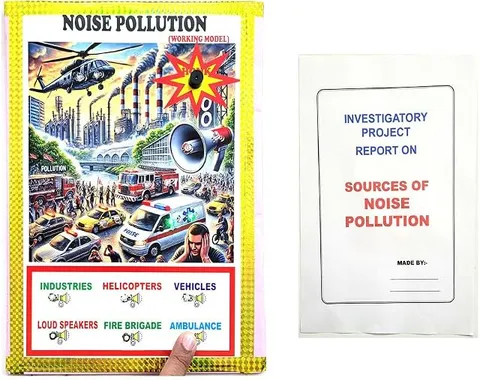
Sources of Pollution Working Model Project for All Class Teaching aid Educational Electronic Hobby Kit
Code B0DTYH65JC
- Paid for and delivered by Amazon. The current price and the delivery date for your PIN code are shown there.
- Sold by Gurukul Technicals Institute, Delhi.
- Need a different topic, a custom version or a school order? Ask on WhatsApp.
In this project guide
Ready-made model
About this model
This working model is about the sources of pollution, showing how everyday human activities and some natural events release harmful substances into the air, water and soil. It helps a student explain where pollution comes from and what can be done about it, which makes it a useful piece for environment-themed exhibitions.
How it works
The science behind it
The idea the model demonstrates, in words you can use in your report and when you explain it.
Pollution is the release of harmful substances, called pollutants, into the air, water or soil faster than nature can break them down. Sources can be natural, such as volcanic ash, dust storms and forest fires, or man-made, such as vehicle exhaust, factory smoke, burning of waste and crop stubble, untreated sewage, plastic litter and excess fertilisers. A point source releases pollutants from one place, like a factory drain, while a non-point source is spread out, like fertiliser washed off many fields by rain. Burning coal, petrol and diesel gives out carbon monoxide, sulphur dioxide and nitrogen oxides; the last two dissolve in rain water to form sulphuric and nitric acids, causing acid rain. Delhi's winter smog is a familiar example: smoke from vehicles, stubble burning and dust gets trapped near the ground when the air is cold and still.
Make it yourself
Make a sources of pollution model yourself
Build your own version from scratch, or use the steps to understand how the ready-made model is put together before you present it.
What you need 9
Step by step 8 steps
Divide the board into three zones marked air, water and soil, so each pollutant has a clear place.
Build a factory with a chimney giving off grey cotton smoke and a drain pipe running into the river.
Make a road with vehicles, with small black cotton puffs at their exhausts.
Lay the river through the middle, with a sewage pipe from the houses and plastic litter on its banks.
Make a farm field with small paper fertiliser bags beside it and arrows showing rainwater washing it into the river.
Build a garbage dump and a patch of crop stubble with the red LEDs inside to show burning, wired to a hidden battery and switch.
Add flags naming each source, in one colour for natural sources and another for man-made ones.
On one side of the board, show a solution for each source, such as a sewage treatment plant, a CNG bus and a compost pit.
Read this first
Safety first
Go through these points before you build or switch anything on. Younger students should do this with an adult.
- Never use real smoke, incense, candles or anything burning for the smoke effect.
- Ask an adult to use the cutter and the glue gun, and to spray any paint outdoors.
- Keep the battery hidden but reachable, and switch it off when the model is not on show.
Troubleshooting
If something does not work
The usual problems with this model and how to fix them. Open a problem to see the fix.
The cotton smoke droops
Push a thin wire up through each cotton puff and anchor it inside the chimney.
The model looks crowded and confusing
Keep one clear example per source and leave space between the zones; a key card helps visitors.
The red LEDs do not light
Check that the long legs face the battery positive and that the resistor is in the circuit.
Paint runs on the cellophane river
Leave the cellophane unpainted and paint the board underneath it instead.
Exhibition day
How to present it
A running order for the exhibition table or the practical, step by step.
Point to each source shown on the model and say whether it pollutes the air, water or soil.
For every source, give one health effect and one practical remedy, such as CNG buses, sewage treatment plants or separating wet and dry waste.
Show your city's Air Quality Index from the week of the exhibition to make the topic feel real to the judges.
End with one thing every visitor can do today, for example refusing single-use plastic bags.
Practice
Viva questions
Practice questions on this model, with short answers. Try each one aloud before you open the answer.
What is a pollutant?
A pollutant is any substance that harms living things or the environment when it is present in excess, such as carbon monoxide, sulphur dioxide or plastic waste.
What is the difference between biodegradable and non-biodegradable pollutants?
Biodegradable pollutants, like vegetable peels and sewage, are broken down by microorganisms, while non-biodegradable ones, like plastics and DDT, are not and stay in the environment for a long time.
How is acid rain formed?
Sulphur dioxide and nitrogen oxides from burning coal, petrol and diesel dissolve in rain water to form sulphuric acid and nitric acid, which then fall as acid rain.
Why is carbon monoxide dangerous to breathe?
Carbon monoxide combines with haemoglobin in the blood much more strongly than oxygen does, so the blood carries less oxygen to the body.
Project file
Project file outline
The headings of the project file, in order. Give each heading its own section and write it in your own words.
Free ebook: Writing a Science Project FileContents
- Aim: to show the main natural and man-made sources of air, water and soil pollution
- Materials
- Types of pollution and common pollutants
- Sources shown on the model: point and non-point sources
- Effects of pollution on health and the environment
- Ways to prevent and control pollution
- A short survey of pollution sources near your home or school
- Conclusion
- Bibliography
Buying checklist
Before you buy
What to check before you order the model.
1Check these first
- Pollution is covered in middle-school science; check whether your teacher wants all three kinds of pollution or only one.
- Check in the listing whether the model has lights and whether batteries are included.
- Check in the listing whether a report is included, and add a survey of your own area to make the project yours.
- Look over the model a few days before the exhibition and reglue any loose parts.
- Keep the box for transport, as cotton smoke and small vehicles come off easily.
- Check the delivery date for your PIN code on the marketplace, and order well before the exhibition or practical.
- Practise explaining it. Judges ask what the model shows and why; knowing the science matters as much as the model. The viva questions above are a good place to start.
Next steps
Take it further
Ways to turn this model into a bigger investigation or a stronger exhibition entry.
Place sticky cards at different spots around school for a week and compare the dust they collect.
Add a working water filter of sand, gravel and charcoal to show one way of cleaning polluted water.
Collect air quality readings for your city from an official source, note their dates, and show them as a chart beside the model.
Audience
Who it suits
Suits Class 6 to 9 science and EVS exhibitions and classroom lessons on air, water and soil pollution.
- ClassClass 1 to 9
- SubjectPhysics
- TypeReady-made model
Free to read
Free ebooks for this topic
Free PDF ebooks from Gurukul Technicals Institute on the science, the making and the presenting of projects like this one.
- Free PDF ebook
Physics Working Models Explained
Twenty classic models, how each works and how to make it
- Free PDF ebook
Your Science Exhibition Guide
Choose a project, build it, present it and answer the judges with confidence
- Free PDF ebook
Writing a Science Project File
How to write the report, from the cover page to the bibliography
- Free PDF ebook
Viva Questions for Science Projects
How to answer examiner questions, with sample questions for popular projects